Getting an Android device to update smoothly through ADB sideload can feel like a small technical adventure, especially when the connection between your phone and computer refuses to cooperate. Whether you are pushing a system update or flashing a custom ROM, the process relies on a handful of settings and commands working together in harmony. This guide walks through the entire journey, from preparing your device to troubleshooting the inevitable hiccups that pop up along the way.
Key points
- To enable ADB sideloading, you must first unlock Developer Options on your Android device and activate the USB debugging toggle.
- Installing the correct official ADB/fastboot tools and manufacturer-specific USB drivers on your computer is essential for device recognition.
- Successful sideloading requires placing the update ZIP file in the same directory as your ADB executable to ensure the command prompt can locate it.
- If a connection fails during the update, checking your USB cable, switching ports, or reinstalling drivers are the most effective troubleshooting steps.
- Performing an update via ADB sideload carries the risk of data loss, making it mandatory to back up all personal files before starting.
- Monitoring the progress percentage in the terminal is crucial, and you should never interrupt the process mid-transfer to avoid leaving the device in an unstable state.
- After the sideload completes, you can verify the successful installation by rebooting the device and checking the software version in the system settings.
Preparing Your Android Device and Computer for ADB Sideload
Enabling USB Debugging and Developer Options on Your Android Device
Before anything else, your device needs to be told that it is allowed to talk to a computer in this way. This means diving into the hidden Developer Options menu, which is usually unlocked by tapping the build number several times within the About Phone section. Once visible, you will find the toggle for USB debugging, which must be switched on for ADB to recognise your device at all. This is a common topic across developer forums, and communities such as Stack Exchange, which hosts 184 Q&A communities, and Stack Overflow, widely regarded as the largest community for developers, are full of threads where users have wrestled with this exact step. One popular post on the subject was viewed 34,000 times and discusses unlocking an Android device specifically to enable USB debugging, having originally been asked five years and eight months ago and later modified just one year and six months ago, with a final edit made on November 2, 2023. It is worth noting that some users end up locked out of their own phones with debugging disabled, which sends them searching for a way to enable it through recovery mode instead.
Installing ADB Tools and Drivers on Your Computer
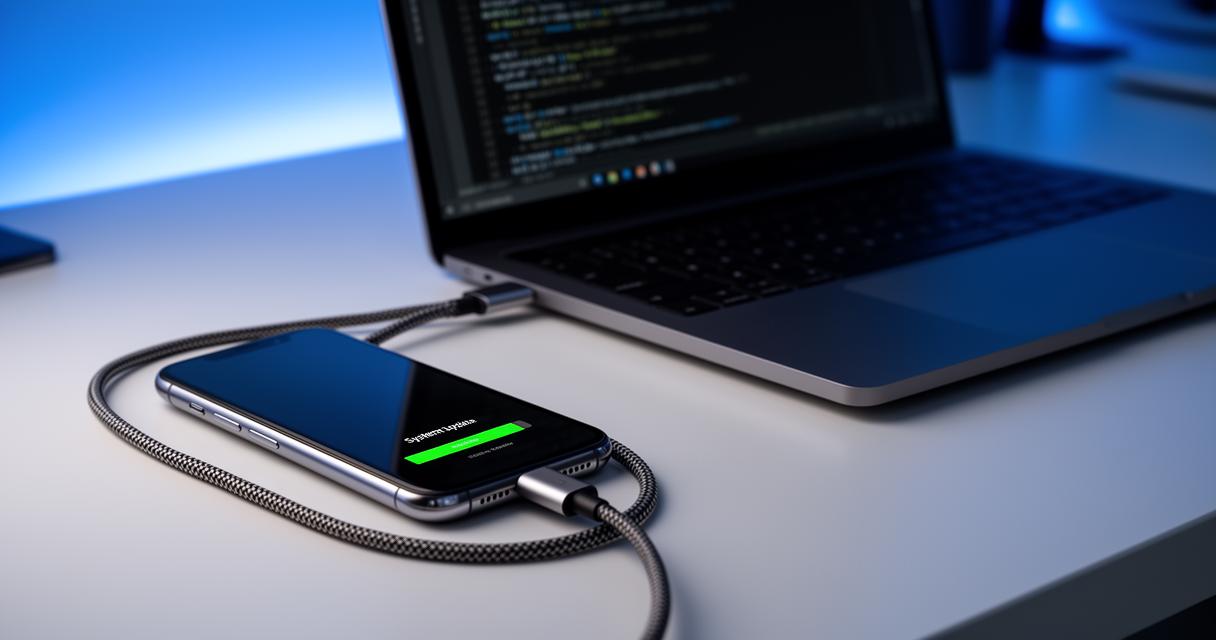
With the phone ready, attention turns to the computer side of things. You will need the official ADB and fastboot tools installed, along with the correct USB drivers for your specific device manufacturer. Skipping this step is one of the most frequent reasons a device fails to appear when you run a simple detection command. It helps to keep the tools in an easily accessible folder, since you will be referencing that location constantly throughout the sideload process. Once the drivers are properly installed, connecting the phone should trigger a permission prompt on the screen asking whether you trust the connected computer, and accepting this is essential for the connection to be authorised.
Executing the adb sideload update process correctly
Placing the Update ZIP File in the Proper Directory and Initiating Sideload
The update file itself, typically a ZIP package containing either an official firmware update or a custom ROM, needs to sit in the same folder as your ADB executable to keep things simple. Some custom ROM installations also require editing the update-script file to include specific lines of code, particularly when dealing with non-standard partitions or device-specific tweaks. This is a step that trips up plenty of newcomers, since a single misplaced line can cause the whole flashing process to fail. Once the file is in place and your device has been booted into recovery mode with the sideload option selected, you are ready to begin the actual transfer.
Using Command Line Commands to Start and Monitor the Update
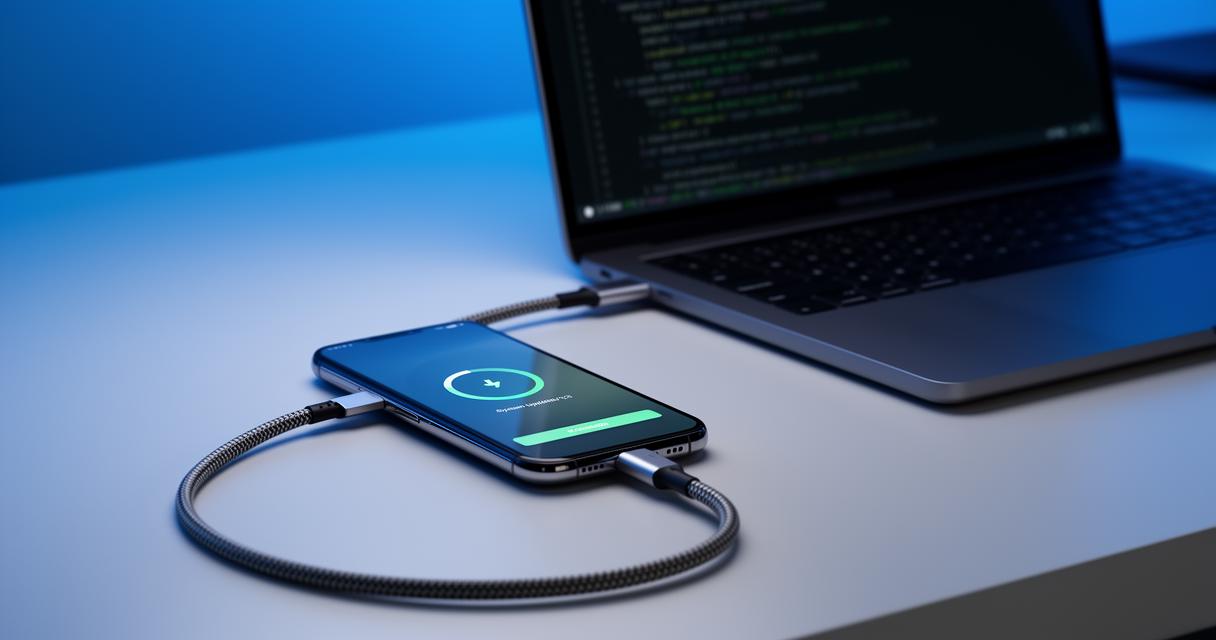
From here, opening a command prompt or terminal window in that same folder allows you to run the sideload command followed by the name of your ZIP file. The screen will then show a progress percentage as data transfers from your computer to the device, and watching this output carefully is the best way to catch problems early. If the transfer stalls or the percentage refuses to move, it usually points to a cable, port, or driver issue rather than a problem with the file itself. Patience here pays off, since interrupting the process midway can leave the device in an unstable state that is harder to recover from than simply waiting a little longer.
Troubleshooting Common Connection Failures and Completing the Update
Identifying and resolving usb connection errors during sideload
Connection failures are, without question, the most common frustration reported by users attempting this process. Switching to a different USB cable or port, reinstalling drivers, or trying a different computer entirely often resolves what initially looks like a serious error. Some forum discussions also raise concerns around file encryption and the challenge of lock screen bypass when a device has been secured with a password or pattern, since this can complicate how ADB interacts with the storage. One suggested solution that circulated among users involved removing lock files once ADB access had been gained, effectively allowing the phone to be unlocked without a full reset. However, this approach carries risks and should be approached carefully, ideally after confirming your specific device model supports it.
Rebooting your device and verifying successful update installation
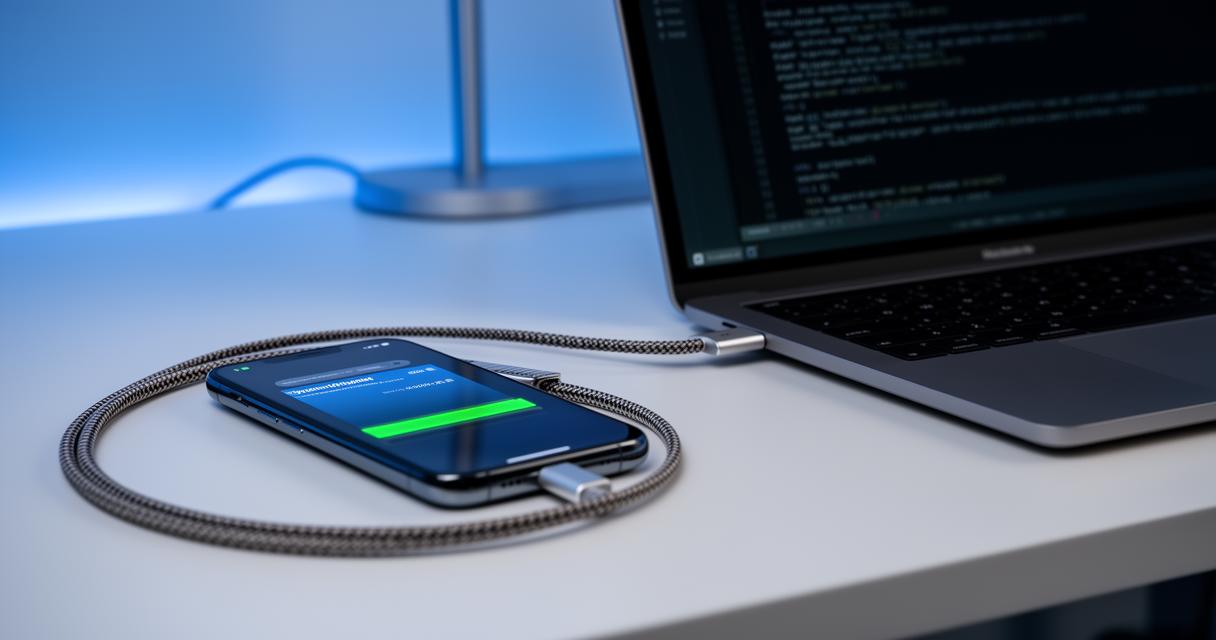
It is important to flag a serious concern that comes up repeatedly in these discussions: a factory reset, as one commenter named Robert pointed out, will erase all data on the device. This is a real worry for anyone hoping to preserve personal files, and another user named Megidd voiced exactly this concern, expressing a clear wish to keep photos and videos safe throughout the entire process. Backing up anything irreplaceable before starting is simply non-negotiable advice at this stage. Once the sideload finishes and the percentage reaches completion, rebooting the device from the recovery menu should bring it back to life with the update applied. Checking the software version in the settings menu afterwards confirms whether everything installed correctly, and if issues persist, revisiting the developers community forums and browsing the wealth of existing threads on this exact topic is often the fastest route to a solution, since these Q&A platform archives are packed with real-world fixes from people who have faced the very same connection failures before you.