
Building or upgrading a PC often comes down to small decisions that make a big difference, and choosing the right power supply is one of them. Among the details that tend to trip up newcomers and even seasoned builders is the question of cable management, specifically the choice between a modular power supply and a semi-modular one. Both types get the job done in terms of powering your components, but the way they handle cables can shape everything from airflow to the overall tidiness of your case. Let's break down what separates these two options and help you figure out which one suits your next build.
What to know
- Fully modular power supplies offer complete flexibility by allowing all cables to be detached, which minimizes case clutter and improves internal airflow.
- Semi-modular power supplies feature essential cables permanently attached to the unit while offering detachable options for peripheral components.
- Modular units are ideal for enthusiasts focused on aesthetics and custom cable management, though they typically command a higher market price.
- Semi-modular power supplies provide a cost-effective balance between tidiness and affordability, making them a practical choice for most standard PC builds.
- System builders should consider their specific case size and cooling needs, as smaller builds benefit more significantly from the reduced clutter of modular designs.
- Factors such as budget, wattage requirements, and 80 Plus efficiency ratings remain critical considerations regardless of the chosen cable configuration.
Understanding modular power supplies: complete flexibility for your pc build
What makes a fully modular psu stand out
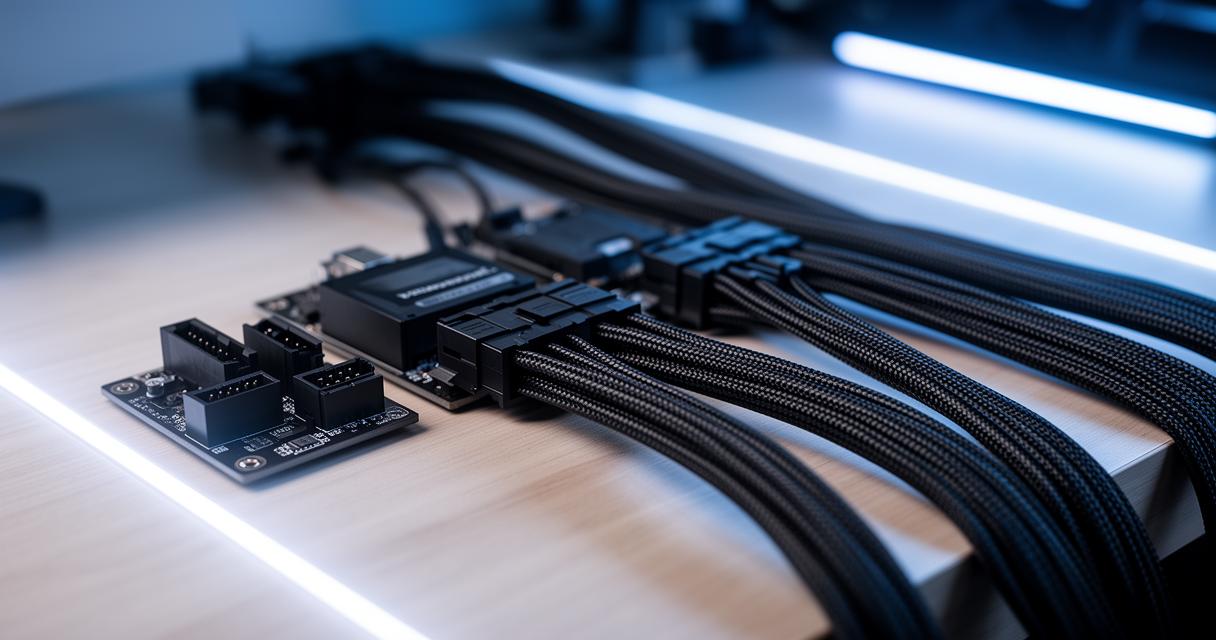
A fully modular power supply is designed with detachable cables for every connection, meaning nothing is permanently soldered onto the unit itself. This gives builders complete control over what gets plugged in. If your build doesn't need a particular cable, you simply leave it out of the box entirely. This approach is particularly appealing to those who care about aesthetics and want a clean, minimalist look inside their case. It also makes the whole process of assembling a PC considerably less fiddly, since you're not wrestling with unused cables that have nowhere to go.
Advantages of Cable Customisation and Improved Airflow
The real charm of a modular PSU lies in how it transforms cable management into a genuinely enjoyable part of the build rather than a chore. Because you only connect what you actually need, there's less clutter taking up space inside the case, which in turn allows for better airflow around components such as the graphics card and motherboard. Improved airflow can contribute to lower temperatures, which is especially useful in compact builds or systems pushed hard for gaming and content creation. On top of that, swapping out cables for custom sleeved versions becomes far easier, letting enthusiasts personalise their rig without much hassle. It's worth noting this flexibility does come at a price, as fully modular units are generally positioned at the higher end of the market.
Semi-modular power supplies: balancing convenience and cost-effectiveness
The hybrid approach: fixed and detachable cables explained
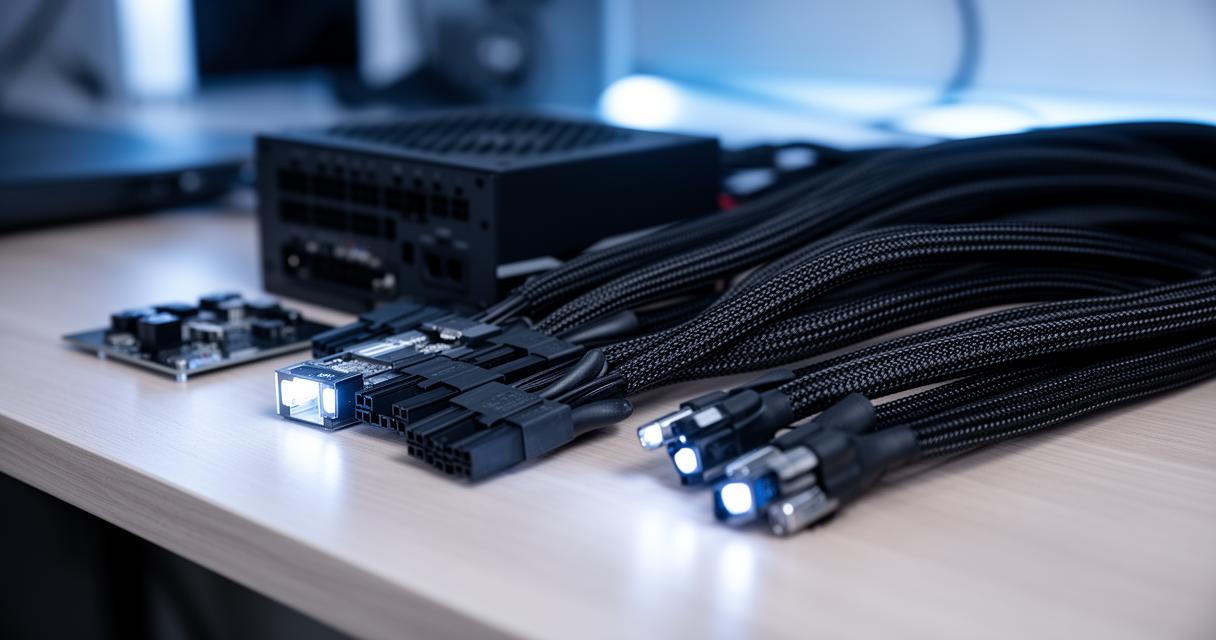
Semi-modular power supplies sit somewhere in the middle, offering a hybrid solution that keeps essential cables permanently attached while allowing others to be added only when required. Typically, the cables that almost every system needs, such as those powering the motherboard and processor, come hardwired directly into the unit. Meanwhile, additional cables for graphics cards, storage drives, or peripheral devices remain detachable. This setup reduces the number of loose cables rattling around inside your case compared to a fully non-modular design, without pushing the price up as much as a completely modular model would.
Why semi-modular units remain popular among pc builders
Despite lacking the total customisation of their fully modular counterparts, semi-modular power supplies remain a favourite for plenty of builders, and for good reason. They strike a sensible balance between organisation and affordability, making them a sound choice for anyone building on a budget without wanting to compromise entirely on tidiness. For most standard builds, the fixed cables included are exactly what's needed anyway, so the lack of flexibility rarely becomes a real drawback. This makes semi-modular units a practical middle ground, especially for gamers and everyday users who don't require highly specialised configurations.
Choosing Between Modular and Semi-Modular: Factors to Consider for Your Build
Price, performance, and practical considerations
When deciding between the two, the conversation usually starts with budget. Fully modular units tend to carry a premium, so if you're working within tighter financial constraints, a semi-modular option might make more sense without sacrificing much in terms of practicality. Beyond price, it's worth thinking about the size of your case and how much airflow matters for your particular setup. Smaller cases benefit more noticeably from the reduced clutter that modular designs offer, while larger cases with plenty of room might not show as dramatic a difference. Efficiency certifications, such as those from the 80 Plus rating system, also play a role in performance regardless of which cable style you choose, so it's sensible to check these ratings alongside your decision on modularity.
Trusted Brands and Options: Corsair, MSI, and Beyond
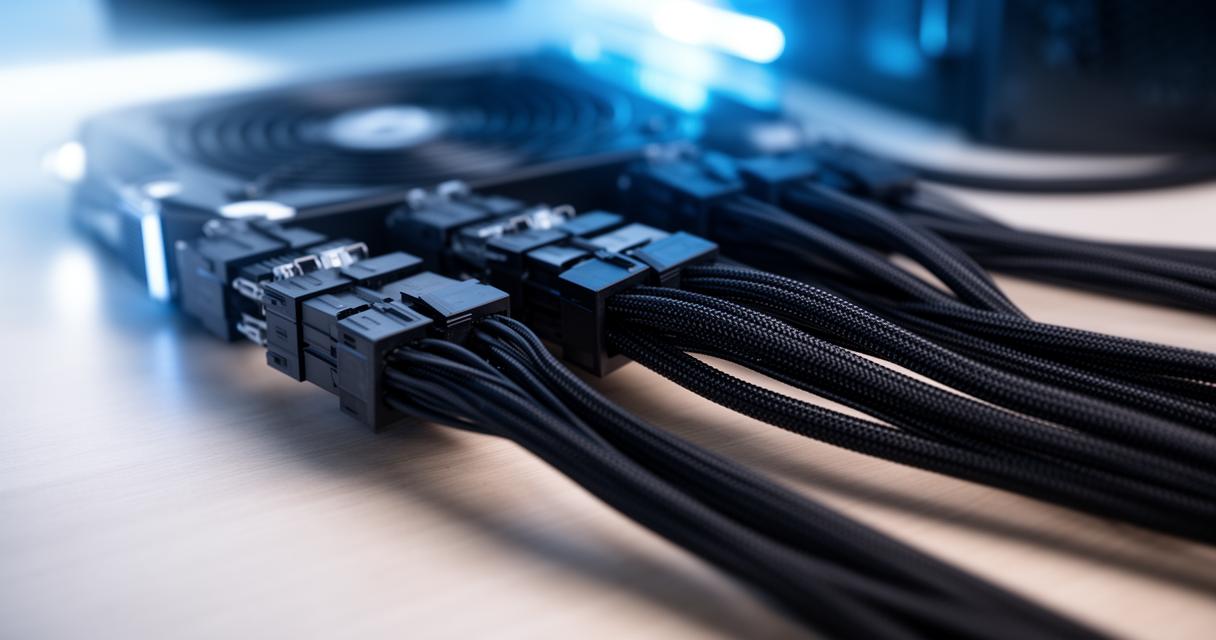
Several well-established brands offer strong options across both categories, making it easier to find something that fits your needs and budget. Corsair has long been a favourite among builders for its reliable modular and semi-modular lineups, often praised for consistent quality and solid warranty support. MSI has also carved out a strong reputation, particularly among gamers looking for power supplies that pair well with their broader ecosystem of components. Beyond these two, there's a wide range of manufacturers producing units at various price points, so taking time to compare wattage, efficiency ratings, and cable configuration will help ensure you land on a power supply that genuinely fits your build rather than settling for whatever's cheapest on the shelf.
Ultimately, whether you lean towards the complete freedom of a modular design or the practical compromise of a semi-modular unit, both choices can serve a PC build well when matched thoughtfully to your case, budget, and personal preference for tidiness. Taking the time to weigh these factors before purchasing will pay off in a smoother build process and a system that runs cleanly for years to come.