Managing your money online has become second nature for most people in the UK, and knowing how to access your CMUT Direct account properly can save you a good deal of hassle. Whether you're checking your balance on the bus or downloading a statement for a mortgage application, having a clear grasp of the login process and account features makes online banking far less daunting. This guide walks you through everything from initial setup to keeping your details safe.
Key takeaways
- To access your CMUT Direct account, ensure you have your customer number, relevant card details, and registered contact information ready before beginning the login process.
- Users can access their account via the official website or a mobile banking app, with the app being ideal for quick tasks and the website better for reviewing extensive transaction history.
- Logging in requires a username, password, and occasionally a memorable date or security code, all of which should be entered carefully to avoid temporary account lockouts.
- If you forget your password, most platforms allow for a quick reset using a verification code sent to your registered mobile number or email address.
- The account dashboard allows users to manage a variety of services, including downloading account statements as PDFs or CSV files for up to six years of history.
- Maintaining account security involves updating card details regularly and avoiding the use of the same password across multiple financial services.
- Users should contact customer support immediately if they notice suspicious transactions or require assistance with specific banking operations like cancelling a Direct Debit.
Getting started: preparing to access your cmut direct account
Before you dive into your account, it helps to have a few things ready. You'll want your personal number, any relevant card details, and your registered mobile or email address close at hand, as these are often needed during the login or verification process. It sounds obvious, but many people get stuck simply because they've misplaced a login reference or forgotten which email address they signed up with.
Gathering your essential banking details and personal information
Most UK banks, whether that's HSBC UK, NatWest, or smaller digital challengers like Monzo and Starling Bank, ask for similar credentials. You'll typically need your customer number, a memorable password, and sometimes a security question answer. It's worth checking your welcome pack or original account documents if you're unsure of these details, since re-registering can otherwise take extra time.
Understanding the CMUT Direct Platform: Website and Mobile Application Options
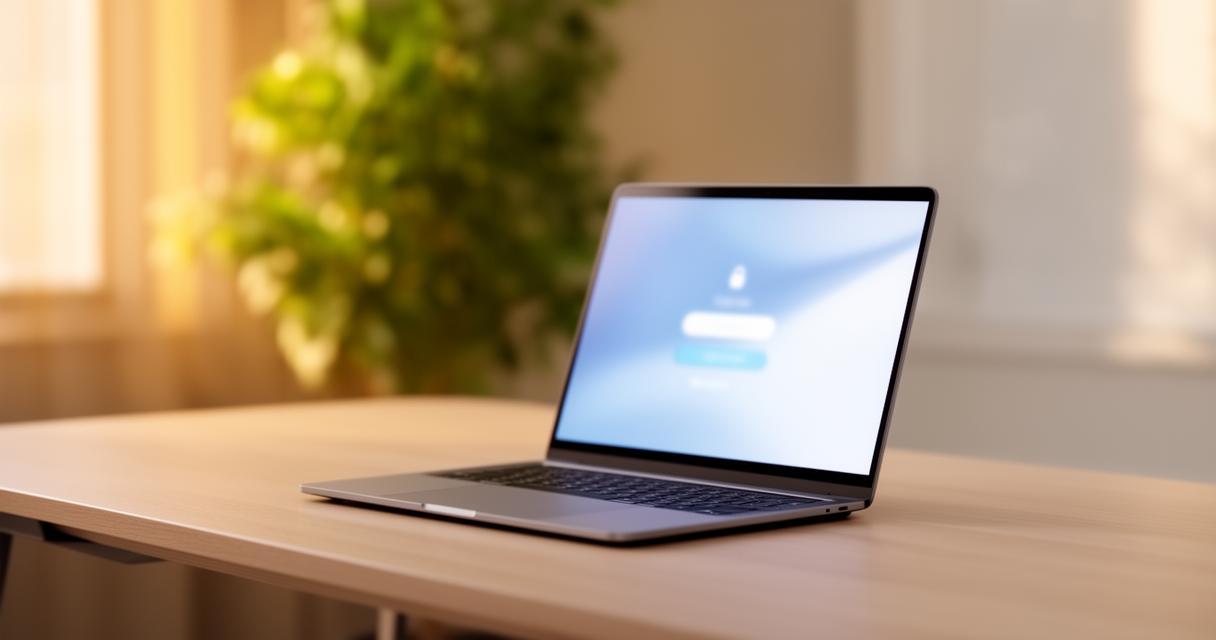
You can access your account either through the official website or via a dedicated banking app, much like customers of Barclays, Lloyds, or Santander do. The mobile app tends to be quicker for everyday tasks such as checking your available balance, while the website is often better suited to more detailed jobs like reviewing years of transaction history. One thing to bear in mind is that JavaScript must be enabled in your browser for the site to work properly, and if it's disabled, cookies may also be blocked, which can prevent certain features from loading correctly.
Navigating the login process: entering your cmut direct account
Once you've got your details sorted, actually logging in should be straightforward. The login portal is usually found in the top corner of the homepage, clearly marked and easy to spot even for those who aren't particularly tech-savvy.
Locating the Login Portal and Entering Your Credentials Correctly
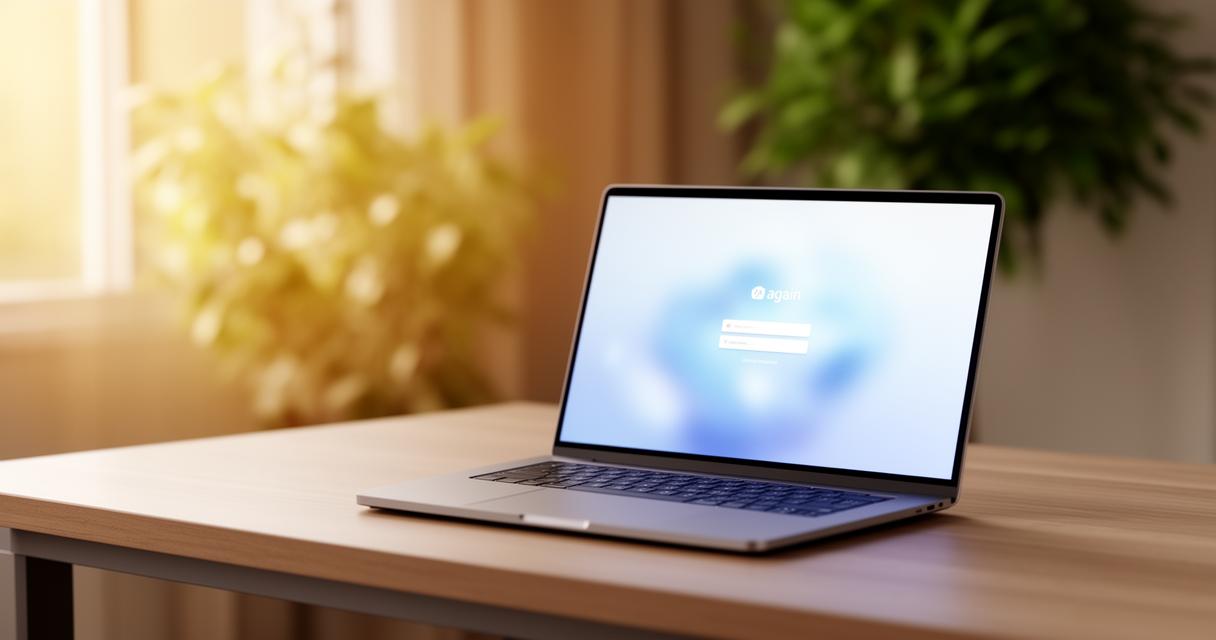
After clicking through to the login page, you'll be asked to enter your username followed by your password, and sometimes a memorable date or additional security code. It's important to type these carefully, as repeated failed attempts can lock you out temporarily. Banks such as Halifax and TSB follow a nearly identical process, so if you've banked digitally before, this should feel familiar.

Password Recovery Solutions: Restoring Access via Mobile Number or Email
Forgetting a password happens to everyone eventually, and thankfully there's usually a simple fix. Most platforms, including Nationwide and the Co-operative Bank, let you reset your password using either your registered mobile number or email address. You'll receive a verification code, enter it on screen, and then create a new password. This process generally takes just a few minutes, meaning you won't be locked out of your online banking for long.
Managing your account securely: maximising your cmut direct experience
Once you're logged in, the real benefit of online banking becomes clear. You can view pending transactions, check your available balance, which includes cleared funds but excludes things like upcoming Direct Debits, and download statements going back as far as six years in some cases.
Exploring account services and statement viewing features within your dashboard
Your dashboard typically gives you access to a wide range of services, from savings accounts and ISAs to credit cards, loans, and mortgages. Downloading a statement is usually simple too. For instance:
- With first direct, you log in, view your statements, then select print or save as PDF.
- On Monzo or Starling Bank, you can export statements directly from the app in PDF or CSV format.
- For Royal Bank of Scotland or NatWest, you'll find an option to view, save, and print PDF statements after logging in.
If your bank isn't listed here, a quick visit to their support pages will usually point you in the right direction, as most UK banks follow a broadly similar structure for statement access.
Maintaining security: protecting your details and updating banking card information regularly
Security should never be an afterthought. Make a habit of updating your banking card details whenever they change, and avoid using the same password across multiple financial services. Many banks also offer support beyond standard transactions, including guidance on financial health, bereavement support, and even charitable initiatives such as the Fashion & Textile Children's Trust, which provides hardship grants for essentials like school uniforms. If you ever notice a card declined unexpectedly or need to cancel a transaction, most providers require you to get in touch before a specific cut-off time, often around 8pm on the day in question, particularly when cancelling Direct Debits.
Ultimately, whether you bank with a long-established name or a newer digital-only provider, the principles remain much the same. Keep your login details safe, check your statements regularly, and don't hesitate to contact customer service if something doesn't look right. With a little familiarity, managing your CMUT Direct account becomes a quick, secure part of your daily routine rather than a chore.